
Automatic Coating Machine
author: Assistant He
2026-08-25
How Much Does an Automatic Coating Machine Cost? Replace Manual Coating to Improve Printing Plate Yield & Production Capacity
|
In the production processes of printing plate making, screen printing, PCB plate making, photovoltaic screen plates, and glass & ceramic printing,
the coating process is a core procedure that determines screen plate quality, printing yield and overall production profit. Most plate-making factories have long been plagued by the same problem: manual coating relies heavily on the experience of senior technicians, resulting in unstable product quality, large batch-to batch differences and high rework rates. It not only keeps labor costs high but also severely restricts the improvement of production capacity.
In traditional manual coating operations, differences in operators’ working strength, speed and angle inevitably cause common defects such as uneven coating thickness, irregular edges, partial missing coating and asymmetric double-sided coating. Especially in mass production, the yield rate fluctuates greatly with serious consumable waste. Coupled with the difficulty of recruiting skilled plate-making workers and rising labor costs, it has become an insurmountable production bottleneck for most plate-making enterprises.
As the printing industry upgrades toward high precision, automation and flexible production, traditional manual coating methods can no longer meet modern production standards. With high precision, stable performance, labor savings and assembly line compatibility, automatic intelligent coatingmachines have become core equipment for the intelligent upgrading of plate-making factories, effectively solving the industry pain points of low efficiency, poor quality and high costs caused by manual coating.
|
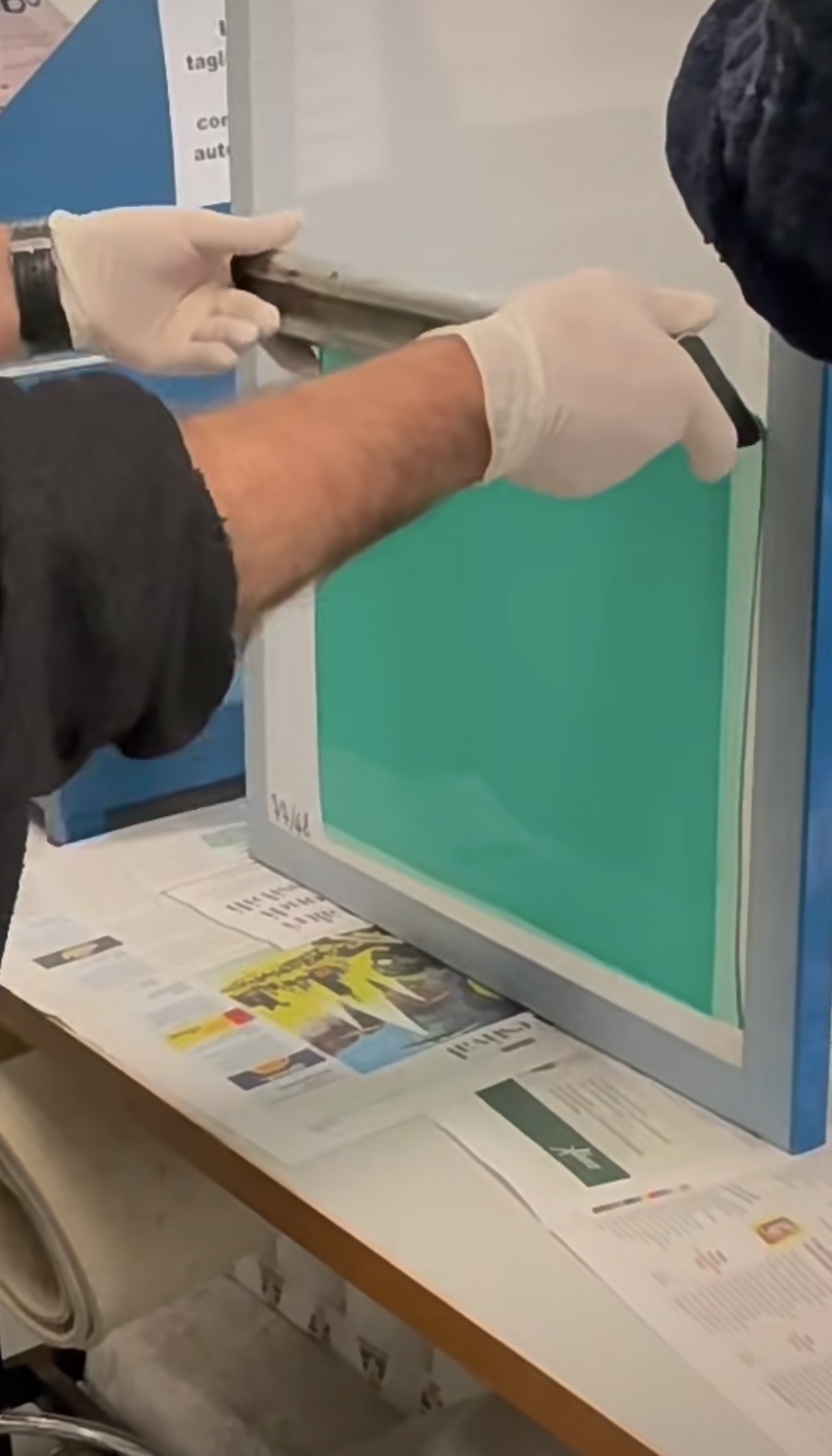
I. Four Major Pain Points of Traditional Manual Coating Restricting Factory Profit GrowthThe coating process has always been the "quality bottleneck" and the biggest efficiency shortcoming in plate-making production. The drawbacks of manual coating run through the entire production pro❌ Unstable Product Quality: Manual operation relies entirely on personal experience, easily causing uneven coating thickness, rough edges, partial missing coating and asymmetric double-sided layers, which further lead to frequent printing defects in subsequent processes.❌ Heavy Dependence on Skilled Workers: Core craftsmanship is tied to senior technicians. Staff turnover and slow induction of new workers directly cause production capacity gaps and quality instability.
❌ Severe Efficiency Loss: Workers are prone to fatigue after long-hour operations, resulting in slower production speed and declining quality, which cannot adapt to large-scale and continuous production rhythms.
❌ High Production Costs: Excessively high rework and scrap rates cause serious waste of photosensitive adhesive consumables. Combined with high labor costs, corporate profits are continuously compressed.
For modern plate-making factories, the core problem is insufficient production competitiveness brought by backward manual coating processes, rather than insufficient orders. To stabilize product reputation, improve delivery
capacity and reduce production costs, automatic coating upgrading has become an inevitable trend.
|
I. Four Major Pain Points of Traditional Manual Coating Restricting Factory Profit GrowthThe coating process has always been the "quality bottleneck" and the biggest efficiency shortcoming in plate-making production. The drawbacks of manual coating run through the entire production pro❌ Unstable Product Quality: Manual operation relies entirely on personal experience, easily causing uneven coating thickness, rough edges, partial missing coating and asymmetric double-sided layers, which further lead to frequent printing defects in subsequent processes.❌ Heavy Dependence on Skilled Workers: Core craftsmanship is tied to senior technicians. Staff turnover and slow induction of new workers directly cause production capacity gaps and quality instability.
❌ Severe Efficiency Loss: Workers are prone to fatigue after long-hour operations, resulting in slower production speed and declining quality, which cannot adapt to large-scale and continuous production rhythms.
❌ High Production Costs: Excessively high rework and scrap rates cause serious waste of photosensitive adhesive consumables. Combined with high labor costs, corporate profits are continuously compressed.
For modern plate-making factories, the core problem is insufficient production competitiveness brought by backward manual coating processes, rather than insufficient orders. To stabilize product reputation, improve delivery
capacity and reduce production costs, automatic coating upgrading has become an inevitable trend.
|
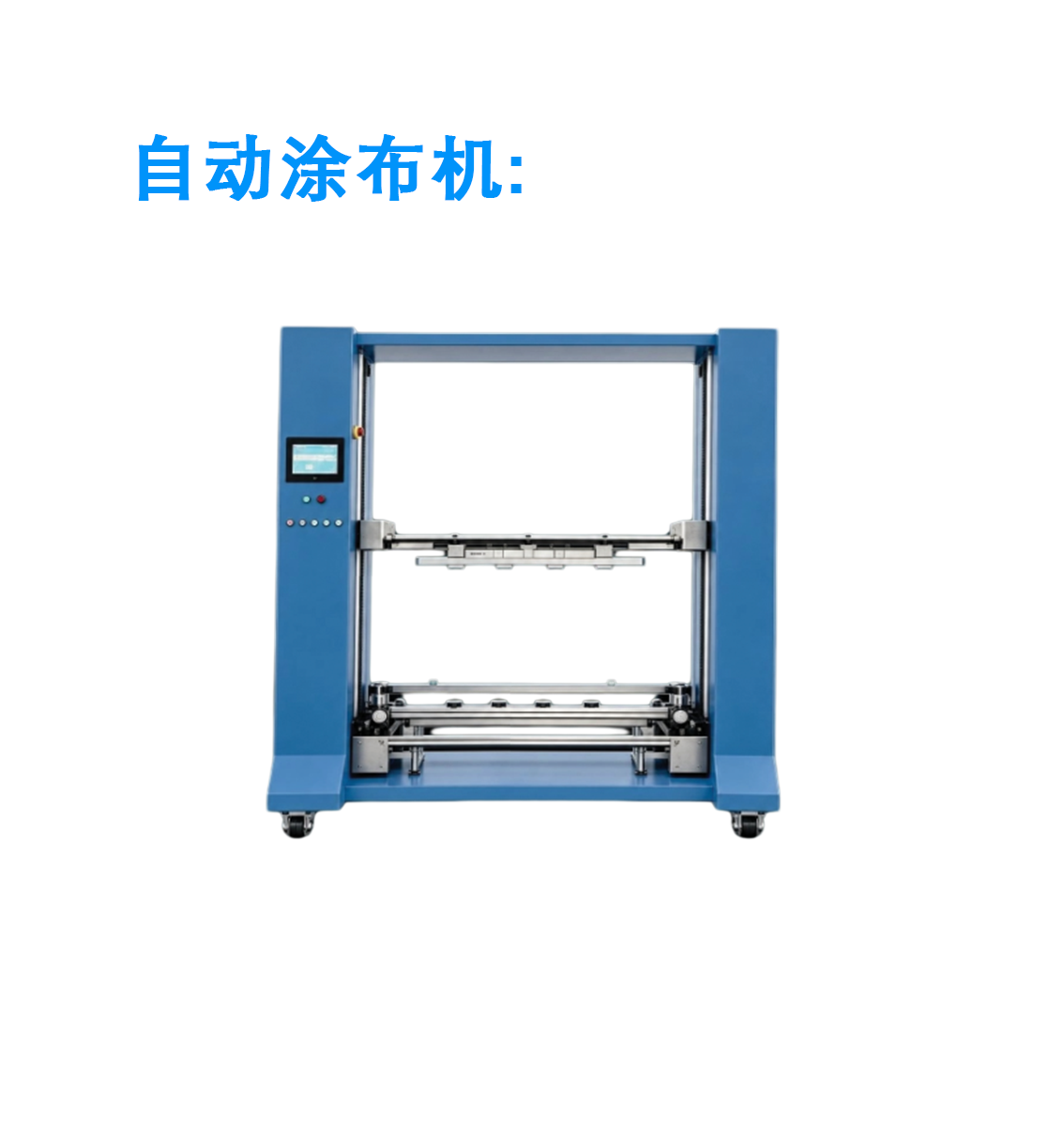
II. Core Advantages of Automatic Intelligent Coating Machines: Standardized Operations Free from Labor DependenceTargeting the drawbacks of traditional coating processes, our independently developed automatic intelligent coating machine adopts a high-precision servo control system and intelligent touch operation system.
It replaces empirical manual work with standardized mechanical operation, achieving uniform coating thickness, accurate positioning, stable operation and zero human error. It fully meets the production needs of PCB, photovoltaic, glass ceramic,advertising printing, precision plate making and other industries.
✅ One-Touch Intelligent Operation, Zero Skill Threshold
Complicated manual debugging is completely eliminated. Equipped with a high-definition intelligent touch screen, all process parameters including coating thickness, coating times and double- sided coating modes can
be visually and accurately set. One-click start completes the entire coating process. Process parameters can be permanently stored and called with one click, completely getting rid of the "technician- only craftsmanship". Ordinary employees can
take up their posts after simple training.
✅ High-Precision Servo Control, Consistent Batch Quality
Equipped with a high-end servo motor control system, the machine runs smoothly and silently without jitter or deviation, leading the industry in positioning accuracy. It fundamentally avoids common manual coating defects such as
thickness deviation, edge flaws and positioning errors, ensuring consistent precision of every screen plate and every production batch with a stable high yield rate.
✅ Multiple Intelligent Protections, Safe and Worry-Free Production
Tailored for complex factory production scenarios, it is built with multiple protection functions including air pressure insufficient alarm, intelligent fault self-diagnosis and screen plate anti-collision protection.
The equipment automatically gives early warnings for abnormalities and supports rapid fault troubleshooting, effectively avoiding screen plate damage and equipment shutdown failures. It reduces scrap loss and downtime maintenance, making production safer and operation & maintenance simpler.
|
III. Full Series of Coating Machine Models Suitable for All Types of Plate-Making FactoriesTo adapt to different workshop areas, production capacity requirements and automatic upgrading budgets, we have launched three series of automatic coating machines: front- loading, single-side in-out and through-type, covering all application scenarios from small workshops and medium-sized factories to large intelligent production lines.
🔹 Front-Loading Series | Cost-Effective Choice for Small & Medium Factories
Featuring compact size, small floor space and flexible operation, it requires no workshop renovation. It is ideal for scenarios with limited space, diverse product orders, small-batch customization and frequent plate replacement.
With low investment, it replaces traditional manual coating to achieve quality improvement and cost reduction, serving as a preferred entry-level model for intelligent upgrading of small and medium factories.
🔹 Single-Side In-Out Series | Efficiency Upgrade Model for Medium Factories
It supports left-in left-out and right-in right-out dual operation modes, and can be matched with a cache device to greatly reduce manual intervention and on-duty time. Balancing equipment investment cost and production efficiency,
it is an ideal choice for medium-sized factories to optimize benefits and achieve rapid upgrading, suitable for standardized large-scale production.
🔹 Through-Type Series | Fully Automatic Mass Production Benchmark for Large Enterprises
It can be seamlessly connected with existing plate cleaning, drying and developing production lines to realize fully automatic unmanned assembly line operations including plate loading, coating, transmission and unloading.
Adapted to high-end precision plate making and large-scale standardized mass production scenarios, it helps large enterprises build fully automatic intelligent production lines and achieve leaps in production capacity.
|
IV. Real‑World Application Cases of Automatic Screen Coating Machines: Measurable Quality Improvement and Cost ReductionCase 1: Small‑to‑Medium PCB Plate‑Making Factory | Reduced Technician Dependence, 60% Lower Scrap Rate
Case 2: Photovoltaic Screen‑Manufacturing Enterprise | High‑Precision Coating Stabilizes High‑End Orders
Case 3: Advertising and Glass‑Ceramic Printing Factory | Flexible Production for Diverse‑Specification Orders
Case 4: Large‑Scale Printing Group | Fully‑Automatic Production Line for Unmanned Mass Manufacturing
V. Industry Trend: Automatic Screen Coating Machines Become Standard Factory EquipmentMore than simple labor‑saving hardware, an automatic screen coating machine serves as core intelligent equipment helping plate‑making enterprises cut costs, improve quality, boost efficiency and expand production.
Through servo‑driven precise coating, stored process recipes and stable unmanned operation, it resolves industry‑wide problems such as uneven coating thickness, inconsistent quality and output bottlenecks. It supports
enterprises to achieve standardized manufacturing, intelligent upgrading and sustainable profitable growth.
|