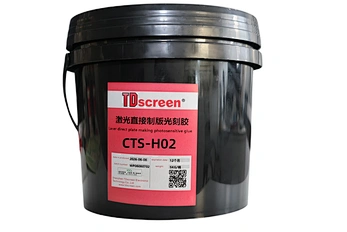


TDS Laser Plate-making Photoresist Emulsion
CTS-8 Laser Direct Exposure Photoresist Specification
Item | Specification |
Product Name/Model | CTS-8 Laser Direct Screen Making Photoresist |
Appearance | Light blue milky liquid |
Packaging | 5L / 6L plastic pail |
Application | Manufacture of screen printing stencils; applicable for precision screen production of LCD, PCB, FPC circuit boards, heat transfer printing and garment screen printing. |
Product Features | Solid content:40%; Viscosity:6000–6500 CPS @25℃;Dry film thickness: approx.3μm;Minimum resolution: 35–40μm on 350 mesh yellow screen;Minimum resolution:30–35μm on 420 mesh yellow screen;Excellent leveling during coating, high resolution, superior Rz value after multiple coating. |
Origin | USA |
1. Product Description & Operating Instructions:
Glue Mixing: Add 400-500g water per bucket to fully dissolve photosensitive powder, pour into base emulsion and stir evenly; let stand for 2 hours before use.
- Pre-screen Treatment: Degrease mesh with degreaser, or roughen mesh surface with mesh abrasive paste (roughening is unnecessary for high-mesh precision screen making).
- Screen pre-drying for standby: 35℃~40℃ (not exceeding 42℃), relative humidity controlled at 45%~55%.
- Coating: 2 coats on ink side + 2 coats on printing side; dry at 35℃~40℃ (max.42℃, RH45%~55%) for 10 minutes.
- Coating: 1 coat on ink side + 3 coats on printing side; dry at 35℃~40℃ (max.42℃, RH45%~55%) for 10 minutes.
- Coating: 0 coat on ink side + 1 coat on printing side; dry at 35℃~40℃ (max.42℃, RH45%~55%) for 10 minutes. Final net dry film thickness is around 8μm.
- Exposure: Calibrate exposure energy with exposure test strip; without test strip, conduct exposure with different energy levels on one screen, select optimal parameter based on developing result and developing difficulty. After parameter confirmation, test and adjust exposure regularly: insufficient exposure leads to poor solvent resistance and short print run; excessive exposure impairs developing performance of screen.
- Leave screen standing for 3~5 minutes after exposure.
- Developing: Wet both sides of screen with fine water mist (or soak for no more than 1-2 mins), then leave it for 1-2 mins. Continuously flush the printing side of screen with low-pressure fan-shaped water until patterns are fully visible. Note: Only flush printing side; excessive washing on ink side will lead to pinholes and damage edge sharpness. Keep the water gun about 60CM away from screen. Afterwards, gently rinse the ink side for 1~2 mins. After confirming developing quality, wash off all residual sludge on both sides of screen with fine water.
- Drying: Dry at 35℃~40℃ (not exceeding 42℃, RH 45%~55%) for 20-30 mins.
- Screen Inspection & Repair: To improve printing durability, supplementary secondary exposure can be carried out on regular exposure unit.
- Mesh Sealing
- Usage Precautions:
- This product is deemed environmentally safe, slightly soluble in water and non-flammable.
- Its hazardous properties are limited. It may cause slight skin irritation upon contact; inhalation hazard is minimal under normal working temperature.
- First-aid measures for different exposure conditions:
- Inhalation: The product is non-volatile.
- Ingestion: Rinse mouth thoroughly. Do not induce vomiting. Seek medical treatment if discomfort occurs.
- Skin contact: Remove contaminated clothing, immediately wash affected skin thoroughly with soap and clean water.
- Eye contact: Remove contact lenses, continuously flush eyes and eyelids with plenty of clean water for at least 15 minutes; seek prompt medical help in case of irritation.
- Personal protection: Ensure adequate ventilation at workplace.
- No eating, drinking or smoking during operation.
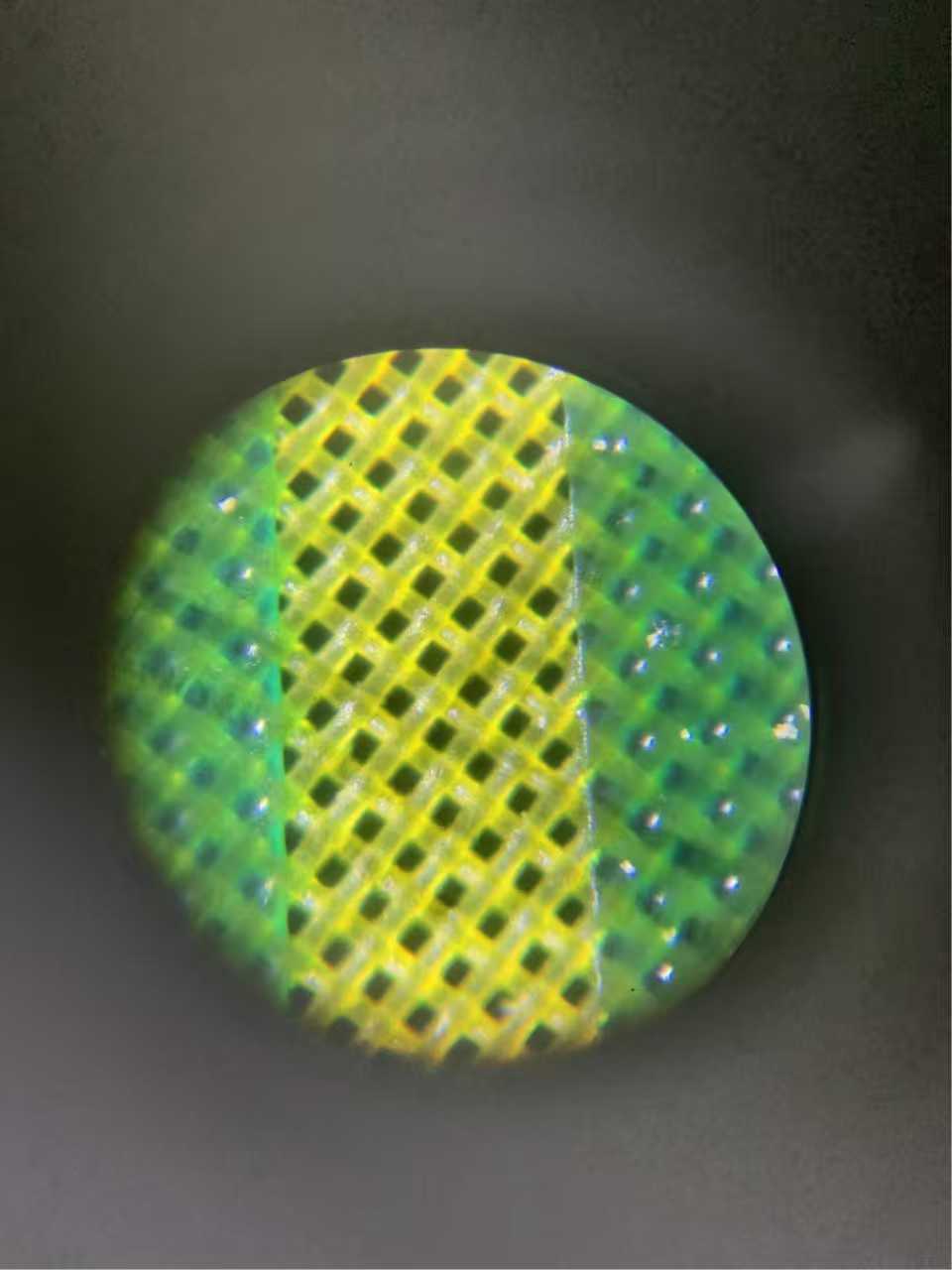
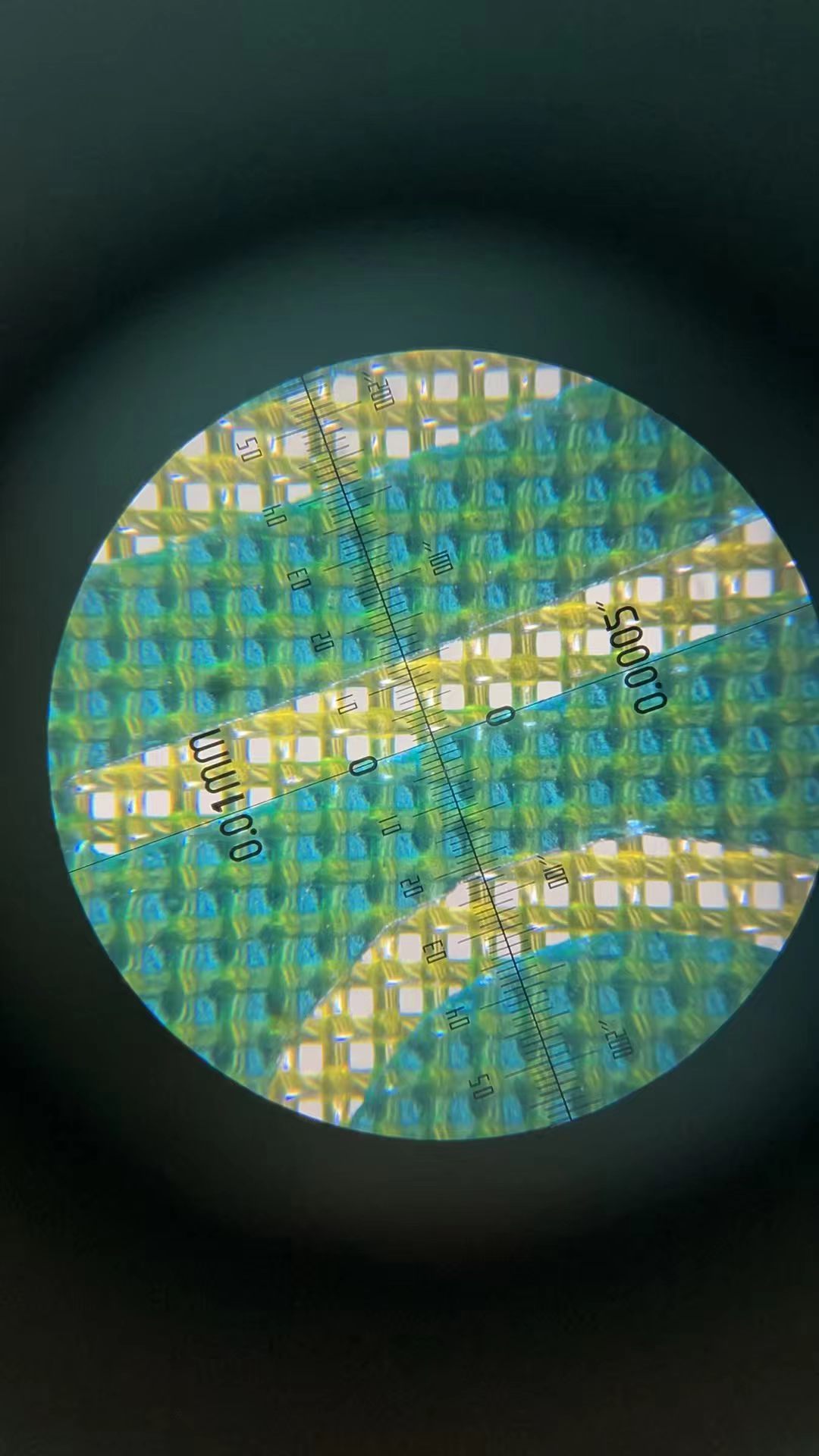
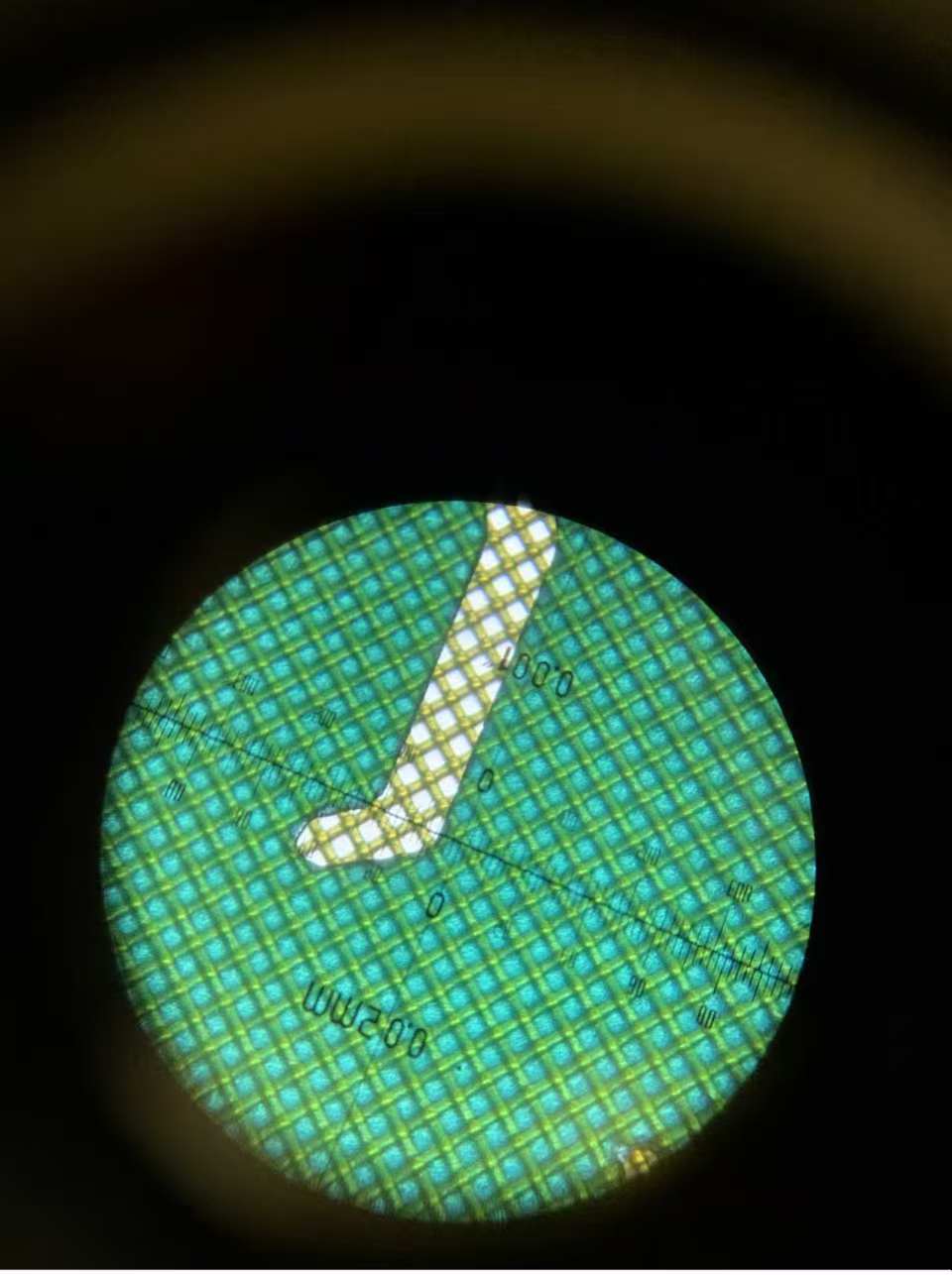
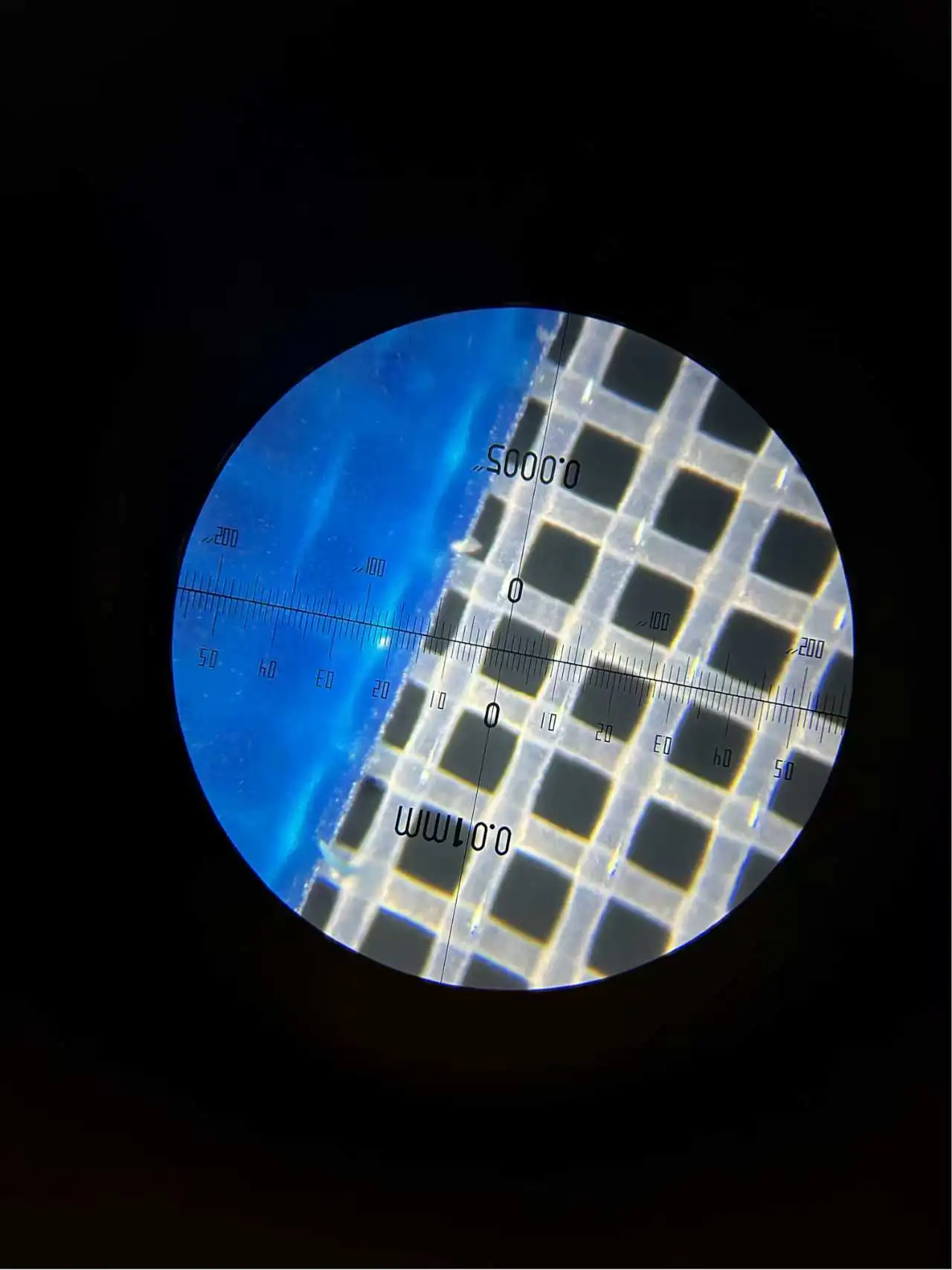
3. Screen Making Effect Drawing